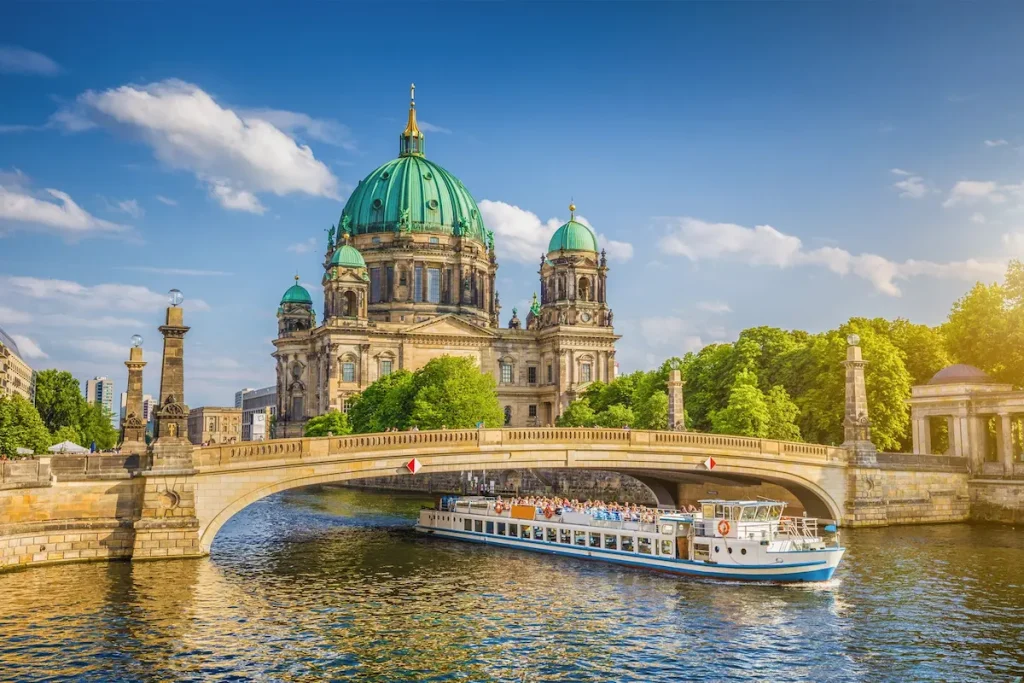
Berlin Travel Tips: Everything You Need to Know Before You Visit Germany’s Incredible Capital
Berlin is one of the most rewarding cities in the world to visit — endlessly fascinating, surprisingly affordable, brilliantly served by public transport, and packed with more history, culture, food, and nightlife than any single trip can exhaust. But like any great city, it rewards preparation. The travelers who get the most from Berlin are those who arrive with some knowledge of how the city works, what to expect, and how to navigate its particular quirks and customs. This guide covers all the practical essentials — the things we wish we had known before our first Berlin visit.
Before You Go: Planning Your Trip
How Long to Spend in Berlin
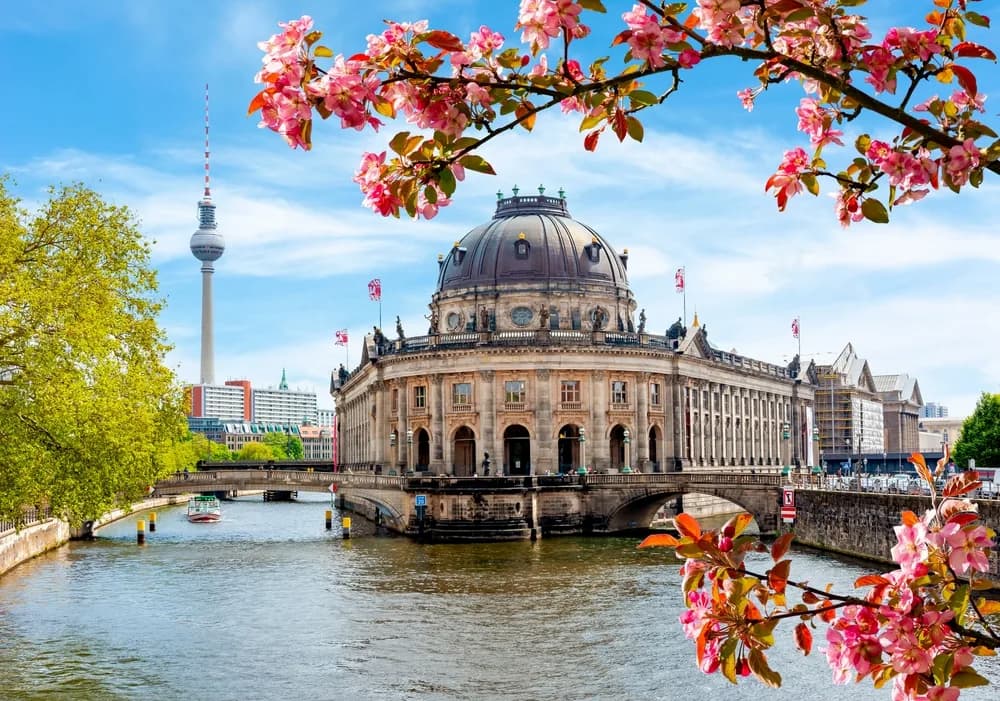
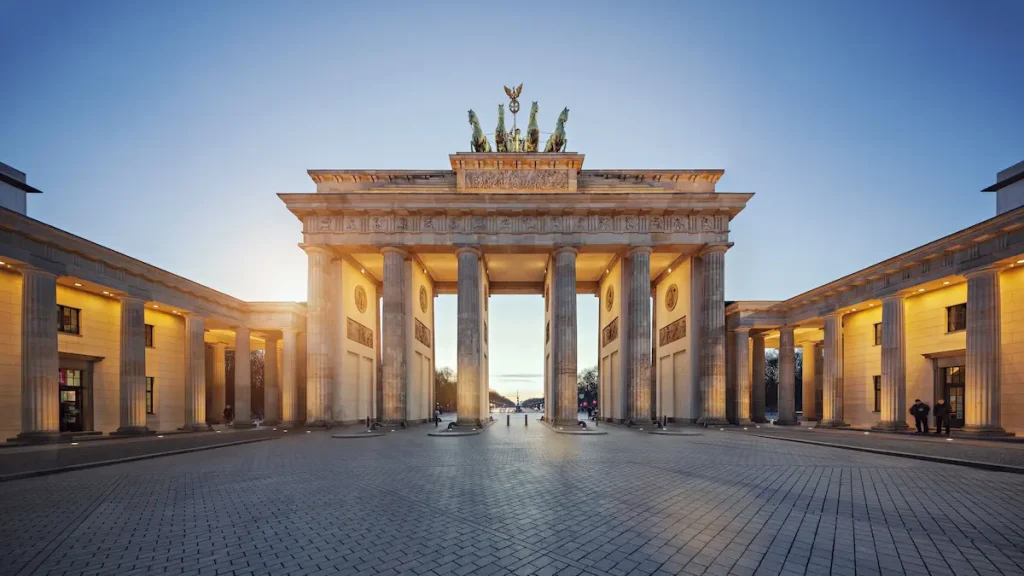
Berlin rewards time. A weekend gives you a taste — enough for the Brandenburg Gate, the Berlin Wall, a museum, and a night out. But to do the city justice — to explore its diverse neighborhoods, visit Museum Island properly, take a day trip to Potsdam, eat well, and begin to feel the city’s particular atmosphere — you need at least five days. A week is ideal for a first visit. Many people who come for a week find themselves wanting to extend.
Booking in Advance
Several of Berlin’s most popular attractions require advance booking and will disappoint those who simply turn up. The Reichstag dome is free but requires registration online with passport details — slots fill up weeks ahead in summer. Sanssouci Palace in Potsdam requires timed tickets booked well in advance from April to October.
Popular restaurants, particularly those with Michelin recognition, should be booked ahead for dinner. For Berlin’s major club nights, there is nothing to book — but knowing which venues suit you and arriving at the right time is its own preparation. See our bars and nightlife guide for advice.
When to Visit
Berlin is a year-round destination with different seasonal pleasures. Spring (April–May) and autumn (September–October) offer the best combination of good weather, manageable crowds, and reasonable prices. Summer is the most vibrant but also the busiest and most expensive. Winter brings cold but also Christmas markets and the Berlinale film festival. For the full breakdown, see our dedicated guide to the best time to visit Berlin.
Money: Cash Is Still King in Berlin
This surprises many visitors, especially those arriving from cities where card payment is ubiquitous: Berlin is still very much a cash-based city. While the major hotels, department stores, and larger restaurants accept cards, many small restaurants, cafés, bars, street food vendors, market stalls, and smaller shops are cash only — and some larger establishments also prefer it. Carry euros at all times. The most convenient and cost-effective way to obtain cash is from ATMs (called Geldautomat or Bankautomat in German), which are widely available throughout the city. Avoid currency exchange kiosks at airports and tourist areas, which charge high rates.
Berlin is, generally speaking, a very affordable city by Western European standards. Restaurant meals, public transport, museum entry, and accommodation are all significantly cheaper than equivalent options in Paris, London, or Amsterdam. Your money goes further here, which is one of the many reasons visitors tend to stay longer than originally planned.
Getting Around: The BVG Is Your Friend
Berlin has one of the best public transport networks in Europe, and it is both affordable and easy to use. The U-Bahn (underground metro), S-Bahn (urban rail), trams, and buses together cover virtually the entire city, running frequently throughout the day and continuously through the night on weekends. Buy a multi-day ticket or Berlin Welcome Card for unlimited travel — single tickets are expensive by comparison and inconvenient if you are moving around a lot, which you will be. Validate your ticket before boarding by stamping it in the yellow machines on platforms or at tram stops. Ticket inspectors operate throughout the network and fines are significant. For full transport advice, see our comprehensive guide to getting around Berlin.
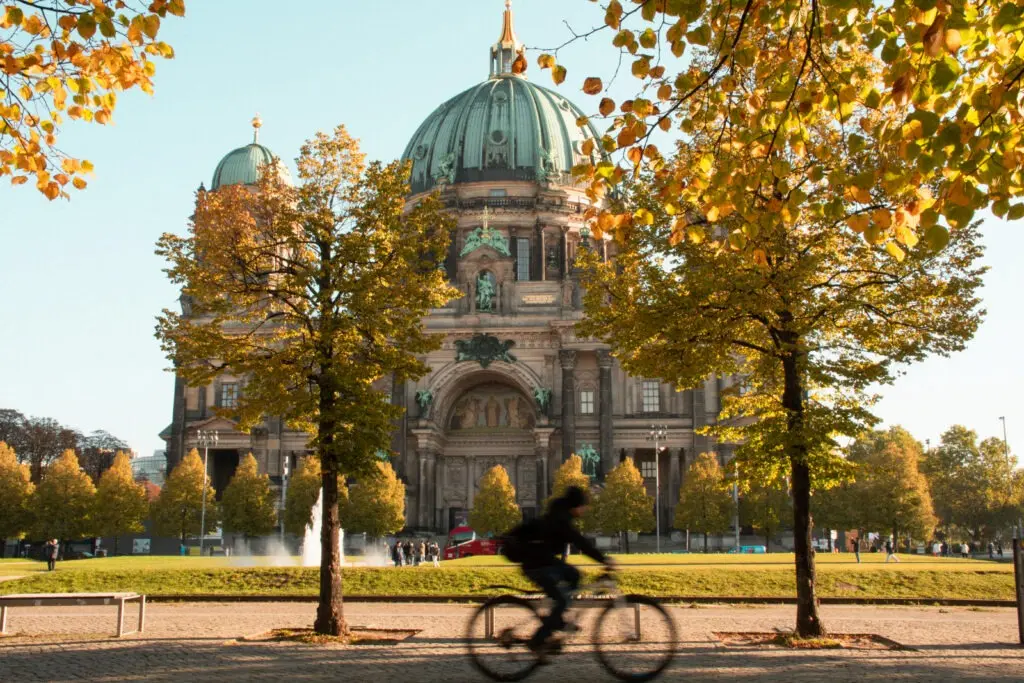
Cycling is also excellent in Berlin — the city is flat, well-provided with cycle lanes, and bike rental is widely available and affordable. Walking is viable within neighborhoods, particularly in Mitte, where many major attractions are within comfortable walking distance of each other.
Language
German is the official language of Berlin, and you should make at least a small effort to use basic German courtesies — Hallo (hello), Bitte (please), Danke (thank you), Entschuldigung (excuse me/sorry). Berliners appreciate the effort even if you then switch to English, which the vast majority speak well. English is widely understood in the tourist areas, hotels, restaurants, and museums of the inner city, and you will rarely encounter significant language barriers as a tourist. In outer residential neighborhoods, English is less universally spoken, but patience and goodwill on both sides generally suffice.
Tipping
Tipping in Berlin follows German rather than American conventions. Service charges are not automatically added to bills, and tipping is customary but not obligatory. The standard is to round up or add around 10% to restaurant bills, cafés, and taxi fares. The important cultural difference from many other countries: you do not leave money on the table. Instead, when the server comes to take payment, you tell them the total amount you wish to pay including the tip — for example, if your bill is €18, you might say “€20 bitte” (20 euros please) and the server will give change based on that amount. Getting this right avoids awkwardness and ensures your tip actually reaches the server.
Opening Hours and Closures
German Sunday trading laws mean that most shops are closed on Sundays — supermarkets, clothing shops, department stores, and most retail. Exceptions include shops in major railway stations and airports (which are open seven days), pharmacies (one per area is open on rotation for emergencies), and restaurants and cafés (which are generally open seven days). Museums follow their own schedules, but Monday is the most common closing day for Berlin’s major museums — plan accordingly.
German public holidays (Feiertage) are also worth checking before you travel. On these days (which include Christmas Eve and Christmas Day, New Year’s Day, Easter Monday, Labour Day on 1 May, and several others), the same Sunday trading restrictions apply — shops close and public life slows down. Some attractions have modified hours on public holidays.
Dining Hours and Customs
Berlin is a late city by the standards of most European capitals. Lunch is served from around 12pm–3pm and dinner from around 6pm, but many of the best restaurants do not fill up until 8 or 9pm. Berliners tend to eat dinner later than people in, say, the UK or Scandinavia, and arriving at a restaurant at 7pm on a weekday often means having the place largely to yourself before it fills up properly an hour later. Many kitchens stay open until midnight or beyond.
Brunch is taken seriously in Berlin and is a major weekend institution — expect queues at the most popular spots, particularly between 10am and 1pm on Saturday and Sunday. For the best brunch neighborhoods and restaurant recommendations, consult our food guide.
Safety
Berlin is a very safe city by the standards of major European capitals. Violent crime against tourists is rare. Normal urban precautions apply: be aware of your surroundings in crowded tourist areas (pickpockets operate around major sights like Checkpoint Charlie and the Brandenburg Gate), keep your phone in a secure pocket on the U-Bahn, and be sensible about walking in unfamiliar neighbourhoods late at night. The U-Bahn and S-Bahn are safe to use at all hours, including overnight on weekends.
Neighbourhood Tips
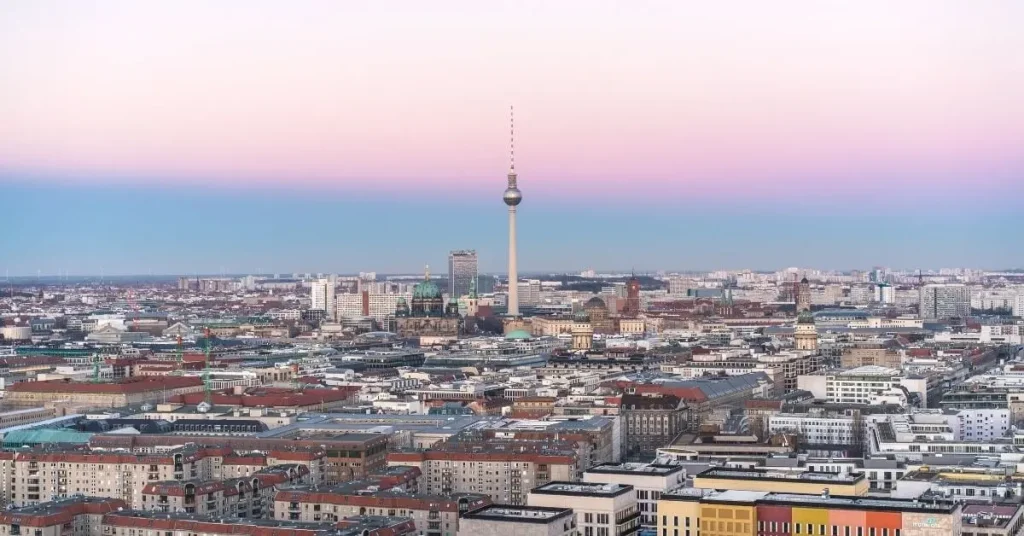
Understanding Berlin’s geography will help you plan more efficiently. The city is decentralised — unlike Paris or London with their singular historic cores, Berlin is a collection of distinct neighborhoods each with its own character. Organize your days around neighborhoods rather than trying to zigzag across the city. Mitte for historic landmarks and museums; Kreuzberg for street food and alternative culture; Prenzlauer Berg for brunch and charming residential streets; Friedrichshain for the East Side Gallery and nightlife; Charlottenburg for elegant western Berlin and the palace.
The double row of cobblestones embedded in Berlin’s pavements and roads marks the former course of the Berlin Wall. Look down as you walk through the city and you will frequently spot these markers — a constant, quiet reminder of the city’s divided history.
What to Pack
Berlin’s weather is variable in every season. In summer, pack light clothing but include a light jacket for evenings and unpredictable weather. In spring and autumn, layering is key — temperatures can vary significantly through the day. In winter, pack seriously warm clothing: a good coat, hat, gloves, and warm footwear are essential from November through March. Comfortable walking shoes are important year-round — you will cover significant distances on foot, and Berlin’s pavements, while generally good, can be uneven in older neighborhoods.
Useful Apps
The BVG Fahrinfo app is essential for navigating Berlin’s public transport — it provides journey planning, live departure times, and can store digital tickets. Google Maps works very well for Berlin navigation. For food, the Yelp and The Fork apps are useful for restaurant discovery and booking. For the club and events scene, Resident Advisor is the definitive resource for electronic music events across the city.
Final Thoughts: Embrace the Berlin Spirit
Berlin rewards those who come to it with curiosity, openness, and a willingness to get a little lost. This is not a city that packages itself neatly for tourists — it is too big, too complex, too full of layers and contradictions for that. The best Berlin experiences often happen in unexpected moments: a conversation at a café, a courtyard discovered by accident, a concert in a repurposed industrial space, a quiet hour in the Tiergarten as the city hums around you.
Come prepared, plan thoughtfully, but leave room for the unplanned. Berlin will fill that space magnificently.
Explore everything Berlin has to offer across our full range of guides at GoVisitBerlin.com — from Mitte’s historic landmarks to the city’s legendary nightlife, from world-class museums to the palaces of Potsdam. Your perfect Berlin adventure starts here.