Berlin Museums: The Ultimate Guide to the City’s Extraordinary Cultural Institutions
Berlin is one of the great museum cities of the world. With over 170 museums ranging from ancient Egyptian art to Cold War espionage, from natural history to contemporary photography, from Jewish cultural heritage to the bizarre and the surreal, this city offers a depth and breadth of museum-going that can occupy visitors for weeks without repetition. Whether you are a passionate art historian, a casual browser, a history enthusiast, or simply someone who enjoys spending a rainy afternoon somewhere extraordinary, Berlin’s museums will exceed your expectations.
This guide covers the essential institutions you should not miss — from the world-famous collections on Museum Island to the hidden gems tucked away in less-visited neighbourhoods. We have organised them by theme and area to help you plan your museum days as efficiently and enjoyably as possible.
Museum Island: The Crown Jewels
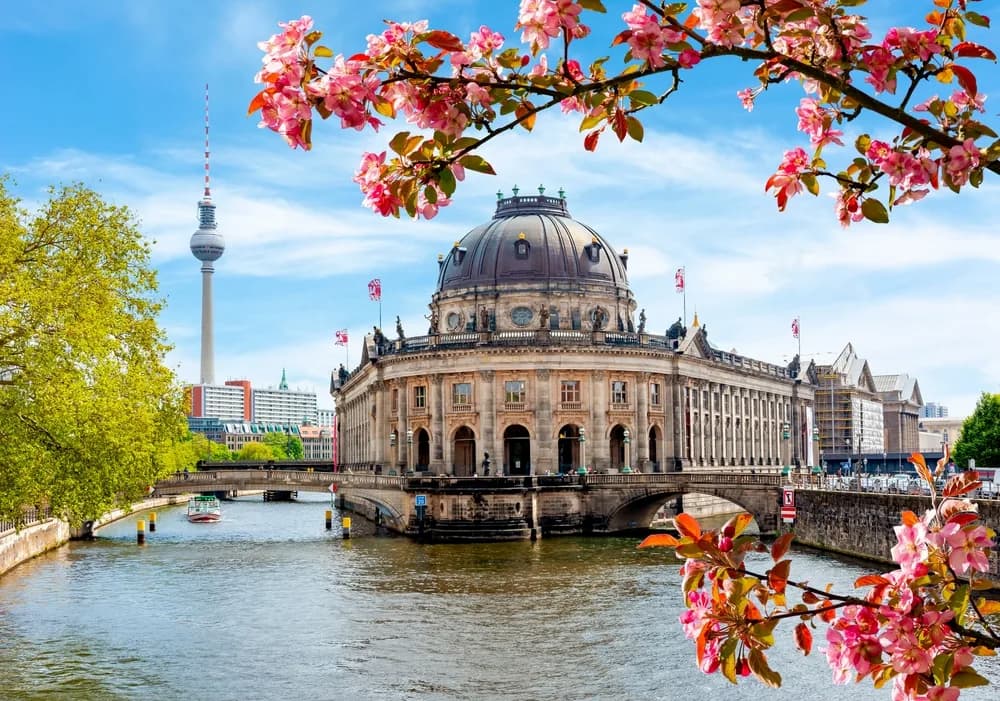
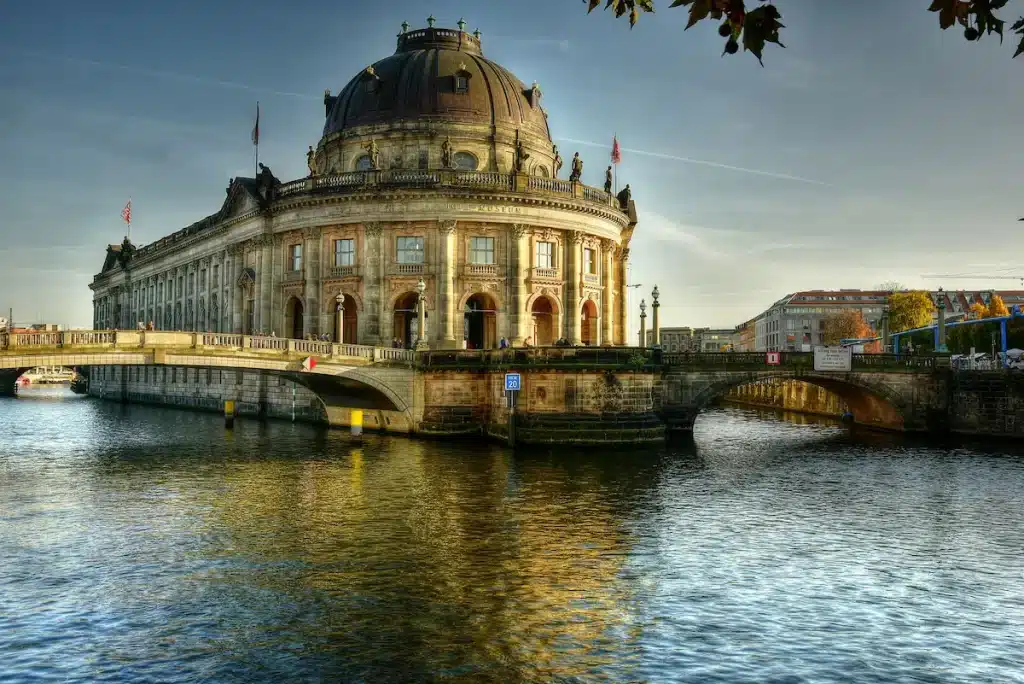
Any serious Berlin museum itinerary begins at Museum Island, the UNESCO World Heritage ensemble of five extraordinary institutions in the heart of Mitte. The Pergamon Museum (ancient architecture and Middle Eastern antiquities), the Neues Museum (the bust of Nefertiti and ancient Egyptian art), the Alte Nationalgalerie (19th-century European painting and sculpture), the Bode Museum (Byzantine art and medieval sculpture), and the Altes Museum (Greek and Roman antiquities) together represent one of the greatest concentrations of cultural heritage in the world. See our dedicated Museum Island guide for full details, ticket information, and visitor tips.
History Museums
The Topography of Terror
Built on the former site of the Gestapo and SS headquarters in Mitte, the Topography of Terror is one of the most important historical documentation centres in Germany. Its indoor and outdoor exhibitions provide a rigorous, unflinching account of National Socialist terror — the structures of persecution, the mechanisms of mass murder, and the fates of the victims. The outdoor section also runs along a preserved section of the Berlin Wall, connecting the Nazi era and the Cold War in a single space. Entry is free, and the quality of the exhibition is outstanding. This is essential visiting for anyone seeking to understand 20th-century German history.
The German History Museum (Deutsches Historisches Museum)
Housed in the magnificent Zeughaus on Unter den Linden — the oldest building on Berlin’s grand boulevard, a Baroque arsenal from 1706 — the German History Museum covers two millennia of German and European history in a permanent exhibition of exceptional quality. The adjacent glass exhibition hall, designed by I.M. Pei, hosts major temporary exhibitions. Together they make the DHM one of the finest history museums in Europe. Allow at least three to four hours.
The DDR Museum
For a lighter but genuinely fascinating look at history, the DDR Museum on the banks of the Spree near Museum Island offers an interactive exploration of everyday life in communist East Germany. You can sit in a Trabant car, walk through a reconstructed East German apartment, and discover the extraordinary details of a society that no longer exists. It is entertaining, thought-provoking, and frequently astonishing — a must for anyone interested in the social history of the Cold War era.
The Berlin Wall Memorial
Technically a memorial rather than a museum, the documentation centre on Bernauer Strasse forms an essential part of any serious engagement with Berlin’s Cold War history. The preserved section of Wall, with its watchtower and death strip, is the most authentic and moving Wall experience in the city. See our full Berlin Wall guide for details.
Art Museums
The Hamburger Bahnhof — Museum für Gegenwart
One of the finest contemporary art museums in Europe, the Hamburger Bahnhof occupies a spectacular converted 19th-century railway station in Mitte. Its collection of post-1960 international art is outstanding — major works by Joseph Beuys (the most significant collection of Beuys’s work anywhere), Andy Warhol, Cy Twombly, Robert Rauschenberg, and many others fill the former train hall and its wings. The building itself is magnificent: the long, light-filled main hall is one of the most beautiful exhibition spaces in Germany. Temporary exhibitions here are consistently ambitious and important.
The Berlinische Galerie
Located in Kreuzberg, the Berlinische Galerie focuses on modern art, photography, and architecture created in Berlin from the early 20th century to the present. Its collection is superb and its temporary exhibitions are among the most interesting in the city. Far less crowded than the major Mitte institutions, it offers a quieter and often more intellectually satisfying museum experience.
The Martin-Gropius-Bau
One of Berlin’s most beautiful exhibition buildings — a neo-Renaissance palazzo near the Topography of Terror — the Martin-Gropius-Bau hosts major international exhibitions across art, photography, cultural history, and design. The programme changes regularly and is almost always of the highest quality. The building’s atrium, a soaring glass-roofed space surrounded by elaborately decorated galleries, is breathtaking.
The Gemäldegalerie
The Gemäldegalerie (Picture Gallery), located in the Kulturforum near the Tiergarten, holds one of the finest collections of European Old Masters in the world. Paintings by Rembrandt, Vermeer, Botticelli, Raphael, Rubens, Caravaggio, and Bruegel are displayed in a vast, beautifully designed building that allows proper space and light for each work. It is one of Berlin’s great art-historical treasures and surprisingly less visited than it deserves to be.
Jewish and Memorial Museums
The Jewish Museum Berlin
One of the most architecturally extraordinary buildings in Europe, Daniel Libeskind’s Jewish Museum is a masterwork of expressive architecture in which the building itself — its voids, its slanting walls, its disorienting spaces — is a form of historical commentary on the rupture of Jewish life in Germany. The permanent collection traces two millennia of Jewish history in German-speaking lands with enormous depth and humanity. The temporary exhibition programme is always stimulating. Near Checkpoint Charlie in Mitte.
The Memorial to the Murdered Jews of Europe
Peter Eisenman’s field of 2,711 concrete slabs near the Brandenburg Gate is one of the most powerful pieces of commemorative architecture in the world. The underground information centre beneath the memorial documents individual family stories with heartbreaking specificity. Entry to the outdoor memorial is free and always open; the information centre charges a small fee.
Science and Natural History
The Museum für Naturkunde (Natural History Museum)
Berlin’s Natural History Museum is one of the great natural history institutions in the world, and its collection of mounted dinosaur skeletons — including the largest dinosaur skeleton ever assembled, a 13-metre-tall Giraffatitan — is genuinely jaw-dropping. The museum also houses the world’s most complete Archaeopteryx fossil and an extraordinary collection of zoological specimens. It is as thrilling for adults as it is for children, and a wonderful option for families.
Quirky and Specialist Museums
Beyond the major institutions, Berlin is home to a wealth of specialist and unusual museums that reward the curious visitor. The Spy Museum Berlin offers an engaging look at the world of intelligence with particular focus on Cold War Berlin. The Story of Berlin, near the Kurfürstendamm, takes visitors through 800 years of the city’s history including a remarkable visit to a Cold War nuclear bunker beneath the building. The Musikinstrumenten-Museum (Museum of Musical Instruments) in the Kulturforum houses thousands of historical instruments and offers free live demonstrations of the Mighty Wurlitzer organ on Saturday mornings.
Planning Your Museum Days
Berlin’s museums are spread across the city, so planning your days geographically will save significant time. The Museum Island cluster in Mitte can occupy one to two full days. The Kulturforum cluster near the Tiergarten — home to the Gemäldegalerie, the Musikinstrumenten-Museum, and the Neue Nationalgalerie — makes a good half-day excursion. The Topography of Terror, Jewish Museum, and Checkpoint Charlie area can be combined in a single historical day.
Most major Berlin museums are closed on Mondays. Thursday evenings often feature extended opening hours and can be less crowded. The Berlin Museum Pass (Museumspass Berlin) offers three consecutive days of free entry to over 30 museums — including most of those listed above — and represents exceptional value for museum-focused visitors.
For all practical advice about visiting Berlin, including transport, accommodation, and the best time to visit, see our Berlin travel tips page, and check the best time to visit Berlin guide to plan your trip. And for getting between all these wonderful institutions, see our guide to getting around Berlin.
Berlin’s Museums: There Is Always More to Discover
The museums listed above are just the beginning. Berlin’s cultural landscape is so rich, so diverse, and so constantly evolving that even long-term residents discover new institutions and exhibitions they have never visited. Whether you come for the ancient world, modern art, Cold War history, natural history, or something altogether more unexpected, Berlin’s museums will reward your curiosity far beyond what a single visit can exhaust. Come ready to be astonished.
Explore the full range of things to see and do in Berlin at GoVisitBerlin.com.