
3 Days in Berlin: The Perfect Itinerary for First-Time Visitors
Three days is the sweet spot for a first trip to Berlin — enough time to cover the big-name landmarks without turning your trip into a checklist sprint. This itinerary is built around how the city is actually laid out: one day in the historic center, one day tracing the Berlin Wall and Cold War history, and one day split between a laid-back neighborhood and, if you want it, a half-day trip out to Potsdam. Here’s exactly how to spend 72 hours in Berlin.
Before You Go: Quick Planning Basics
- Getting around: Berlin’s U-Bahn and S-Bahn network covers the whole city. A Tageskarte (day ticket) or the multi-day Berlin WelcomeCard, which also bundles discounts on attractions, is usually cheaper than buying single tickets for a 3-day trip.
- Where to stay: Mitte puts you closest to Day 1’s sights; Kreuzberg or Prenzlauer Berg give you a more local feel with easy transit connections. [Stay22 map widget: embed here to show live hotel availability around Berlin]
- Book the Reichstag dome first, before anything else: entry is free, but advance registration through the official Bundestag visitor portal is mandatory — same-day walk-up slots are rarely available, and popular time slots can fill up weeks ahead in peak season (May–September). Do this the day you book your flights.
- Luggage: If your check-out and flight don’t line up, a same-day luggage storage service like Bounce near the main station or your hotel lets you keep exploring on your last day without dragging a suitcase around.
Day 1: Historic Mitte — Brandenburg Gate, the Reichstag, and Museum Island
Day 1 covers Berlin’s political and cultural core, almost all of it walkable.
Morning: Brandenburg Gate and the Reichstag
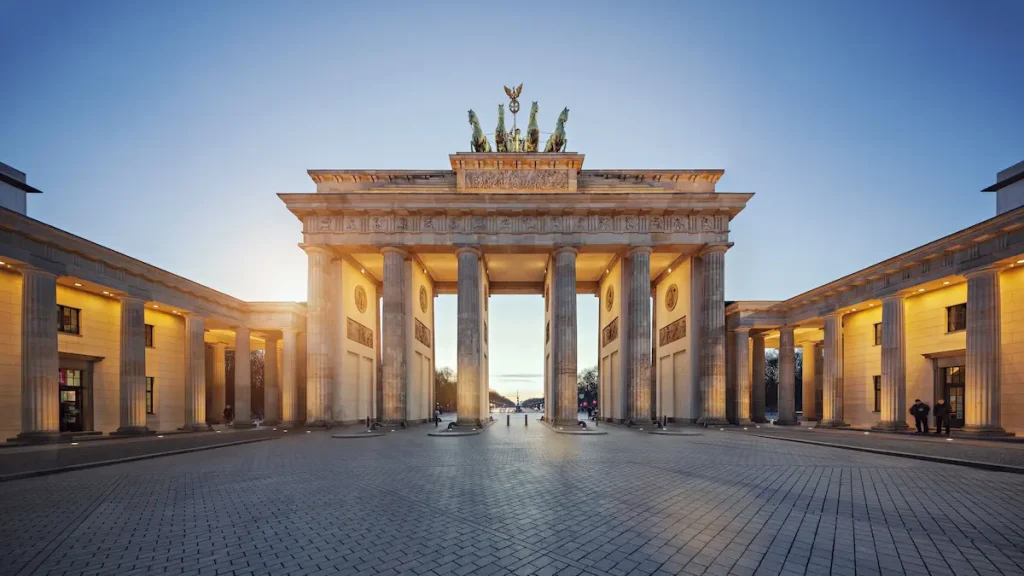
Start at the Brandenburg Gate, Berlin’s most photographed landmark and a former Cold War border crossing point. From here it’s a 10-minute walk to the Reichstag Building, where you’ll want your pre-booked dome slot. Walking the glass dome’s spiral ramp above the working parliamentary chamber is one of the few genuinely free “top view” experiences in a major European capital, and it doubles as a great orientation point for the rest of your trip.
Late Morning: Memorial to the Murdered Jews of Europe
A short walk south of the Brandenburg Gate, the Holocaust Memorial’s field of concrete slabs is free to walk through, with an underground information center beneath it that’s worth the 45 minutes if you have time.
Afternoon: Museum Island
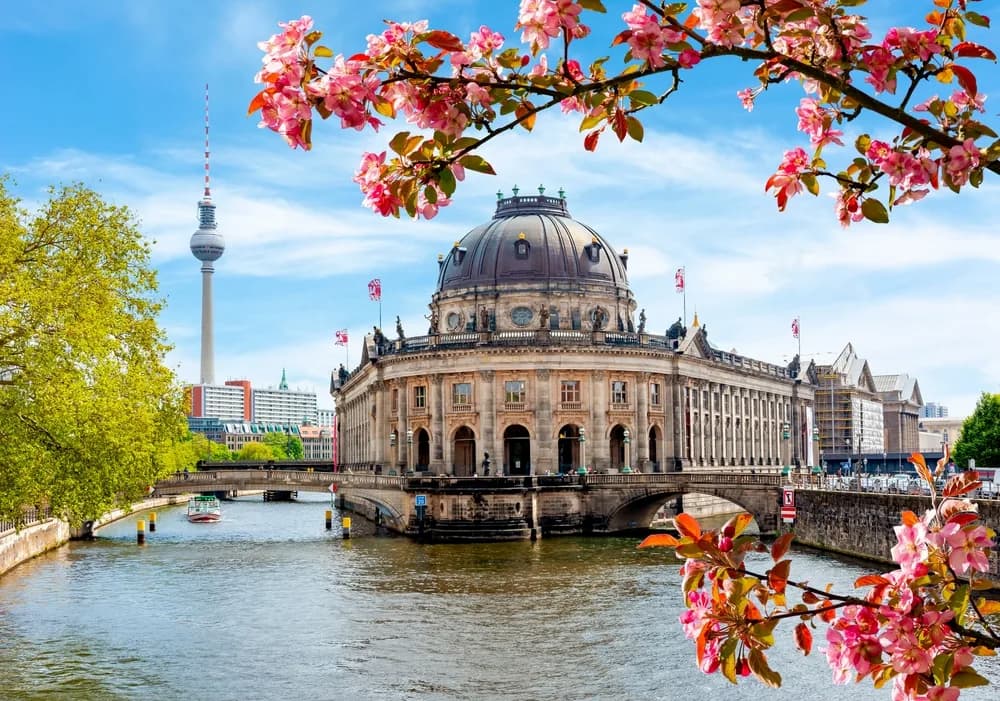
Take the U-Bahn or walk roughly 25 minutes to Museum Island (Museumsinsel), a UNESCO World Heritage site housing five major museums, including the Pergamon Museum (partially closed for renovation in phases through the late 2020s — check current gallery access before visiting) and the Neues Museum, home to the bust of Nefertiti. Buying a single-museum ticket or the Museum Island day pass in advance saves you a queue in peak season.
Evening: Alexanderplatz and the TV Tower
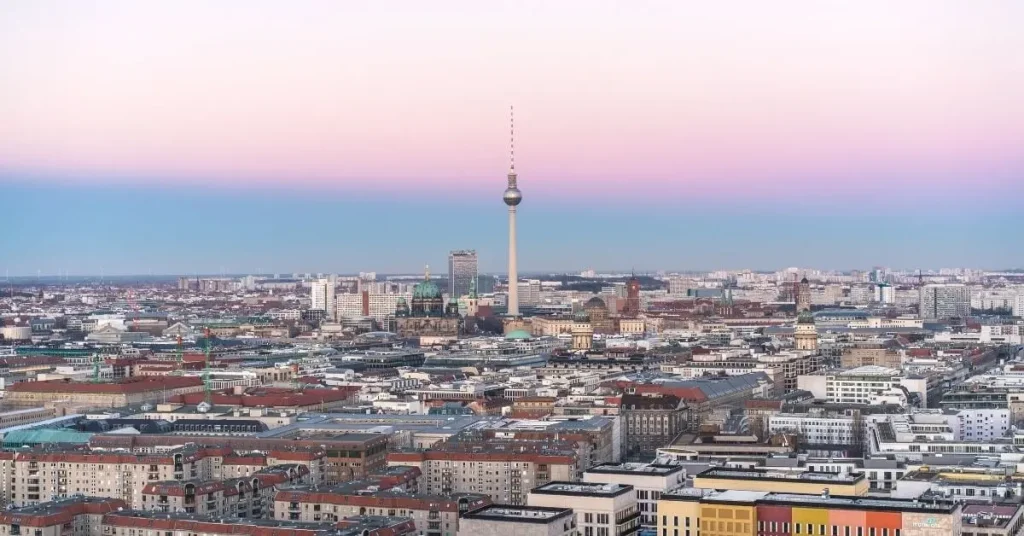
Finish the day at Alexanderplatz, a few minutes’ walk from Museum Island. The Berlin TV Tower (Fernsehturm) observation deck gives you a 360° sunset view over the whole city — book a timed slot in advance in summer to skip the standby line. Dinner options cluster around Hackescher Markt, a 10-minute walk northwest, which has a better mix of restaurants than Alexanderplatz itself.
Day 2: Cold War Berlin and Kreuzberg
Day 2 follows the line the Berlin Wall once cut through the city, then shifts into one of Berlin’s most characterful neighborhoods for the evening.
Morning: Topography of Terror and Checkpoint Charlie
Start at the Topography of Terror, a free outdoor and indoor exhibition built on the site of the former Gestapo and SS headquarters — one of the most sobering and well-curated history museums in the city. From there it’s a 10-minute walk to Checkpoint Charlie, the best-known Allied crossing point between East and West Berlin. The reconstructed guard hut itself is more of a photo stop than a historic site at this point, but the adjacent open-air exhibition panels are genuinely informative.
Midday: Berlin Wall Memorial at Bernauer Strasse
For the most complete picture of how the Wall actually functioned, head to the Berlin Wall Memorial (Gedenkstätte Berliner Mauer) on Bernauer Straße — a preserved 1.4 km stretch with a surviving section of the border strip, a documentation center, and a viewing tower. It’s free and, unlike Checkpoint Charlie, gives you a real sense of scale.
Afternoon: East Side Gallery
Cross the city (30–40 minutes by U-Bahn/S-Bahn) to the East Side Gallery, the longest surviving stretch of the Wall, covered in murals painted by international artists after 1989 — including the famous “Fraternal Kiss.” It runs along the Spree in Friedrichshain, so it pairs well with a riverside walk.
Evening: Kreuzberg
Wrap up the day in Kreuzberg, Berlin’s most eclectic neighborhood — a mix of Turkish-German food culture, street art, and nightlife. Oranienstraße and Bergmannkiez are good starting points depending on whether you want bars or a quieter dinner. If you’d rather see this side of Berlin with someone who’s lived it, consider booking a walking tour led by a formerly homeless local guide with querstadtein — it’s a genuinely different way to understand the city, and we cover it in more detail in our guide to giving back in Berlin.
Day 3: Charlottenburg or a Potsdam Day Trip
Day 3 is where you get to choose your own pace — a relaxed final day in the city, or a half-day trip just outside it.
Option A: Charlottenburg and the West
Charlottenburg Palace, Berlin’s largest palace, comes with formal gardens that are free to walk even if you skip the paid interior. Kurfürstendamm (Ku’damm), Berlin’s answer to a grand boulevard, is nearby for shopping, and the KaDeWe department store is worth a look even if you’re not buying anything.
Option B: Day Trip to Potsdam
If you’d rather leave the city for half a day, Potsdam is a 25-minute regional train ride from Berlin Hauptbahnhof (covered by most Berlin transit day tickets that include zone C). The main draw is Sanssouci Palace, the summer residence of Frederick the Great, surrounded by one of Germany’s most impressive palace parks. Give yourself at least half a day — the park alone is large enough to fill it.
Evening: Prenzlauer Berg
Whichever option you pick, end your trip in Prenzlauer Berg — leafy streets, restored 19th-century apartment blocks, and a slower pace than Mitte or Kreuzberg. It’s a good neighborhood for a final relaxed dinner before flying out.
Practical Tips for a 3-Day Berlin Trip
- Book the Reichstag dome and any big museum tickets before you land — these are the two things most likely to derail a tight 3-day schedule if left to chance.
- Pace yourself on Day 2 — it’s the most emotionally heavy day of the three, covering Nazi- and Cold War–era history back to back. Build in a coffee break between Bernauer Straße and the East Side Gallery.
- Guided tours can save time if you’re short on planning bandwidth — a government-district walking tour that bundles Reichstag registration, or a Berlin Wall history tour, are both worth comparing on GetYourGuide or Viator against doing it independently.
- Most major sights in this itinerary are free or low-cost — the Reichstag dome, Holocaust Memorial, Topography of Terror, Berlin Wall Memorial, and East Side Gallery cost nothing to enter, which makes Berlin one of the better-value city breaks in Western Europe.
FAQ: 3 Days in Berlin
Is 3 days enough for Berlin?
Yes, for a first visit. Three days covers the historic center, Cold War sites, and at least one neighborhood in depth, with room for a Potsdam day trip if you swap it in for Day 3.
Do I need to book the Reichstag dome in advance?
Yes. Entry is free, but registration through the official Bundestag portal is mandatory, and slots can fill up weeks ahead in peak season — book as soon as your travel dates are confirmed.
Is Berlin walkable?
The historic center is very walkable, but the city is large — Day 2 and Day 3 both involve U-Bahn or S-Bahn rides between neighborhoods, so a transit day ticket is worth it.
What’s the best area to stay in for a 3-day trip?
Mitte for proximity to Day 1’s sights, or Kreuzberg/Prenzlauer Berg for a more local feel with a short transit ride into the center.
Planning the Rest of Your Trip
For more on where to base yourself, see our guide to Berlin’s best neighborhoods, and if you want to build a socially conscious activity into your trip, our guide to giving back in Berlin covers a few ways to do that without adding much to your schedule.
Note: opening hours, ticket requirements, and closures (particularly for the Reichstag dome and Pergamon Museum) change periodically — always confirm current details on the relevant official site before you travel.